8 hr
Seoul Highlights Full-Day Tour: Gyeongbokgung, Insadong & N Seoul Tower
Discover Seoul's palaces, markets, hanok villages and skyline views on a guided full-day adventure with a local expert.
Reserve
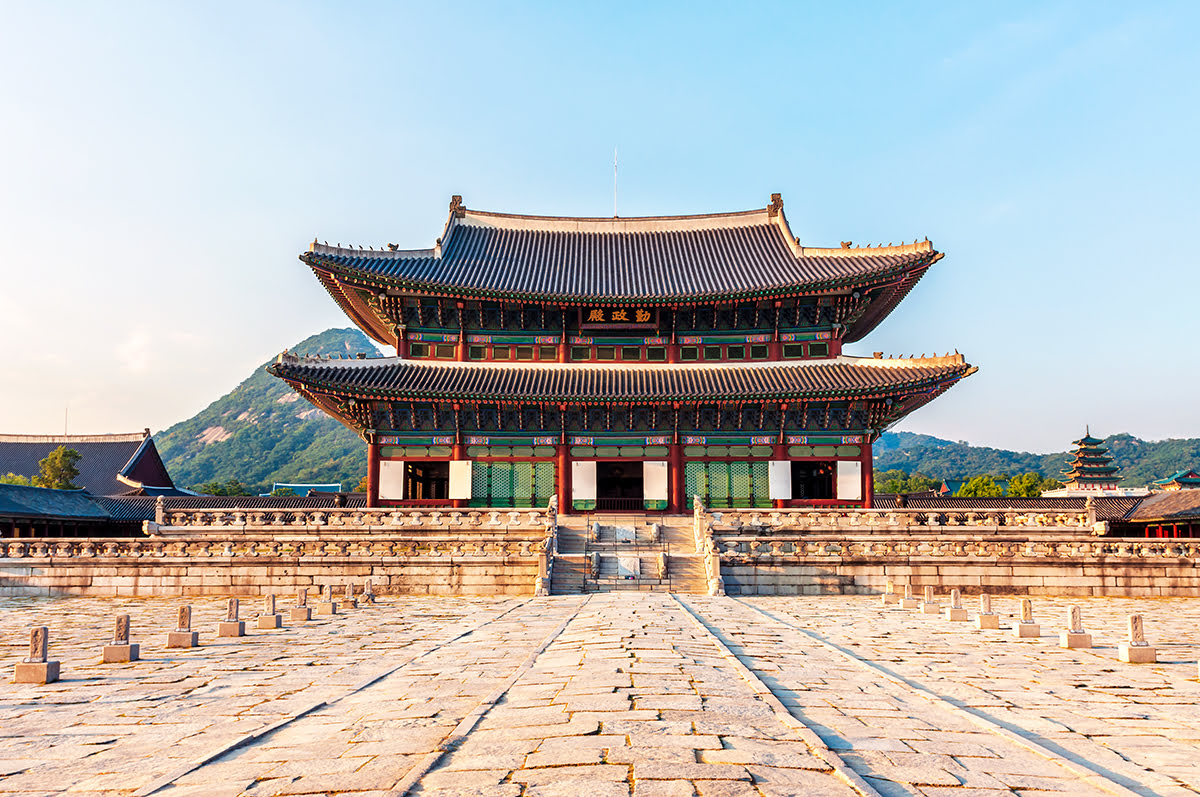
Stone gates open at nine, the throne hall waits beyond.
Hand-picked by our editors — only the best 9 experiences from 1,640 reviewed.
Verified partners for Gyeongbokgung Palace tours, free cancellation where available, and instant confirmation on every booking.
8 hr
Discover Seoul's palaces, markets, hanok villages and skyline views on a guided full-day adventure with a local expert.
Reserve
9 hr
Explore Seoul's grand palace, traditional hanok streets, hilltop views and a buzzing food market with a local guide.
Reserve
3 hr
Explore Seoul's royal palace, folk museum, and historic hanok village on a guided 3-hour morning walk.
Reserve
7 hr
Walk 500 years of Joseon royal history across three palaces, a UNESCO Secret Garden, and quiet historic lanes.
ReservePrices from verified partners. Availability updates in real time at checkout. Free cancellation policies apply where shown.
King Taejo raised gyeongbokgung palace in 1395, only for fire to consume it during the 1592 Japanese invasions; it lay in ruins for nearly three centuries before reconstruction. The name means "palace greatly blessed by heaven," and its geomancy set Mount Bugaksan at its back and Gwanghwamun at its front.
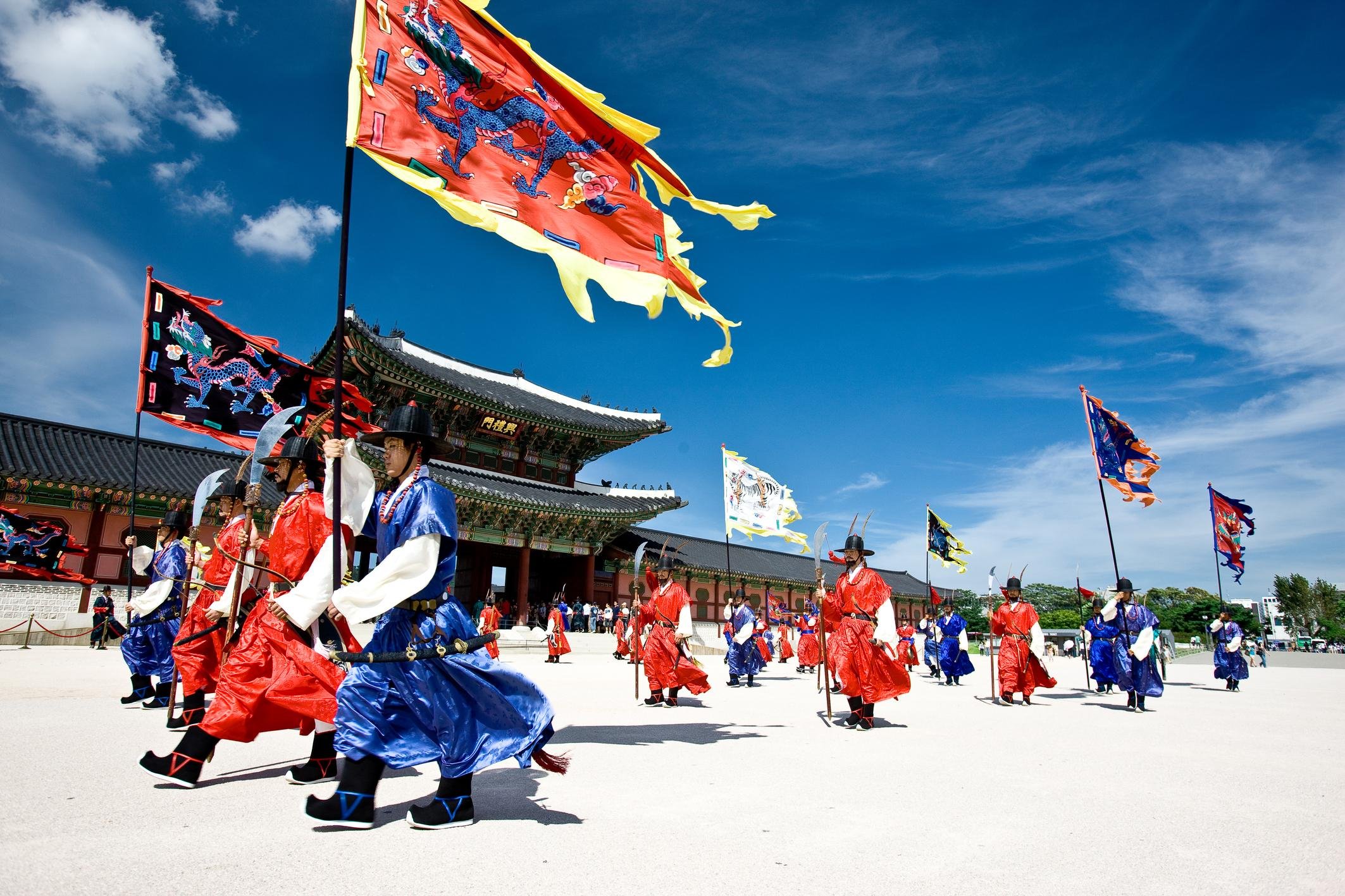
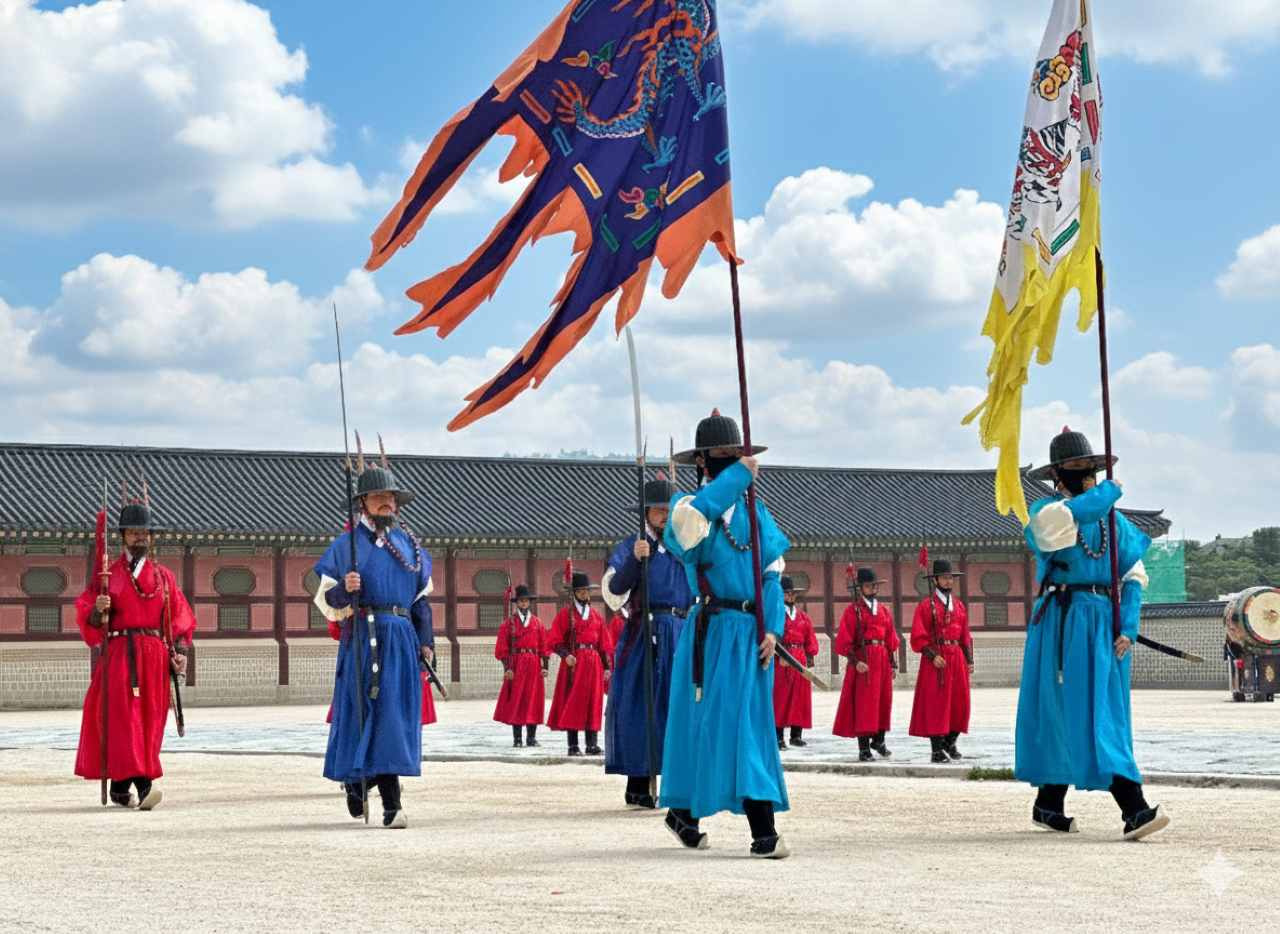
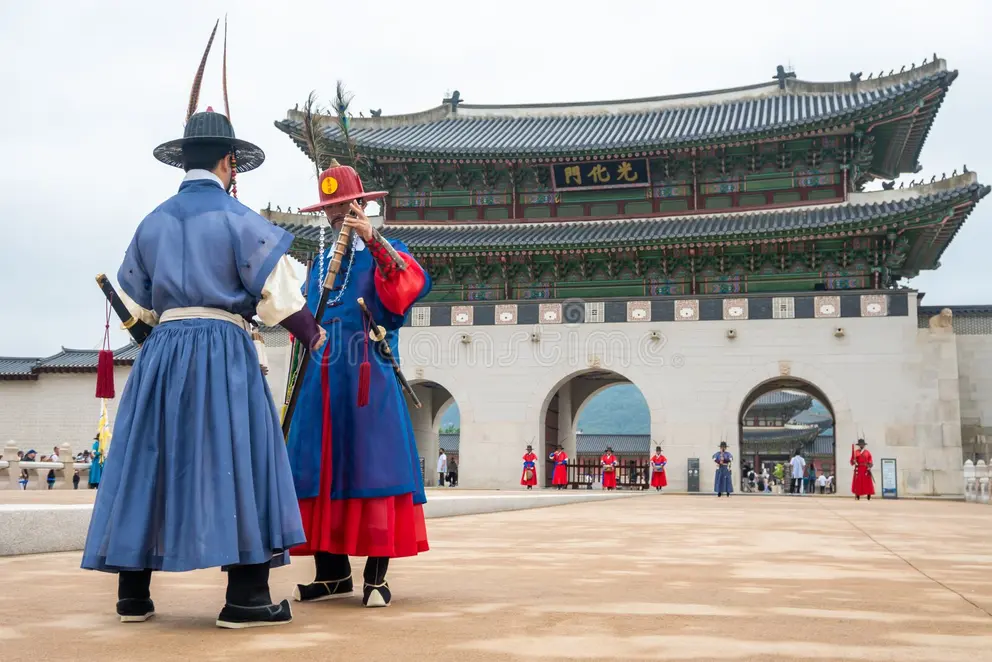
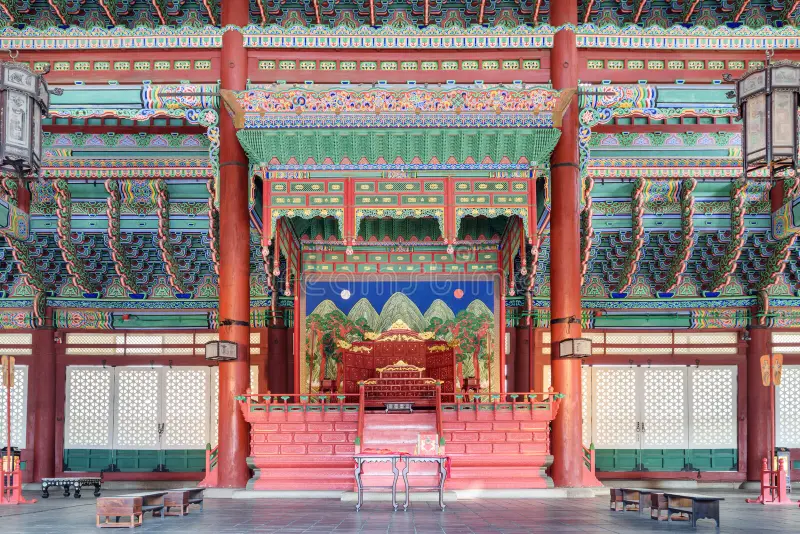
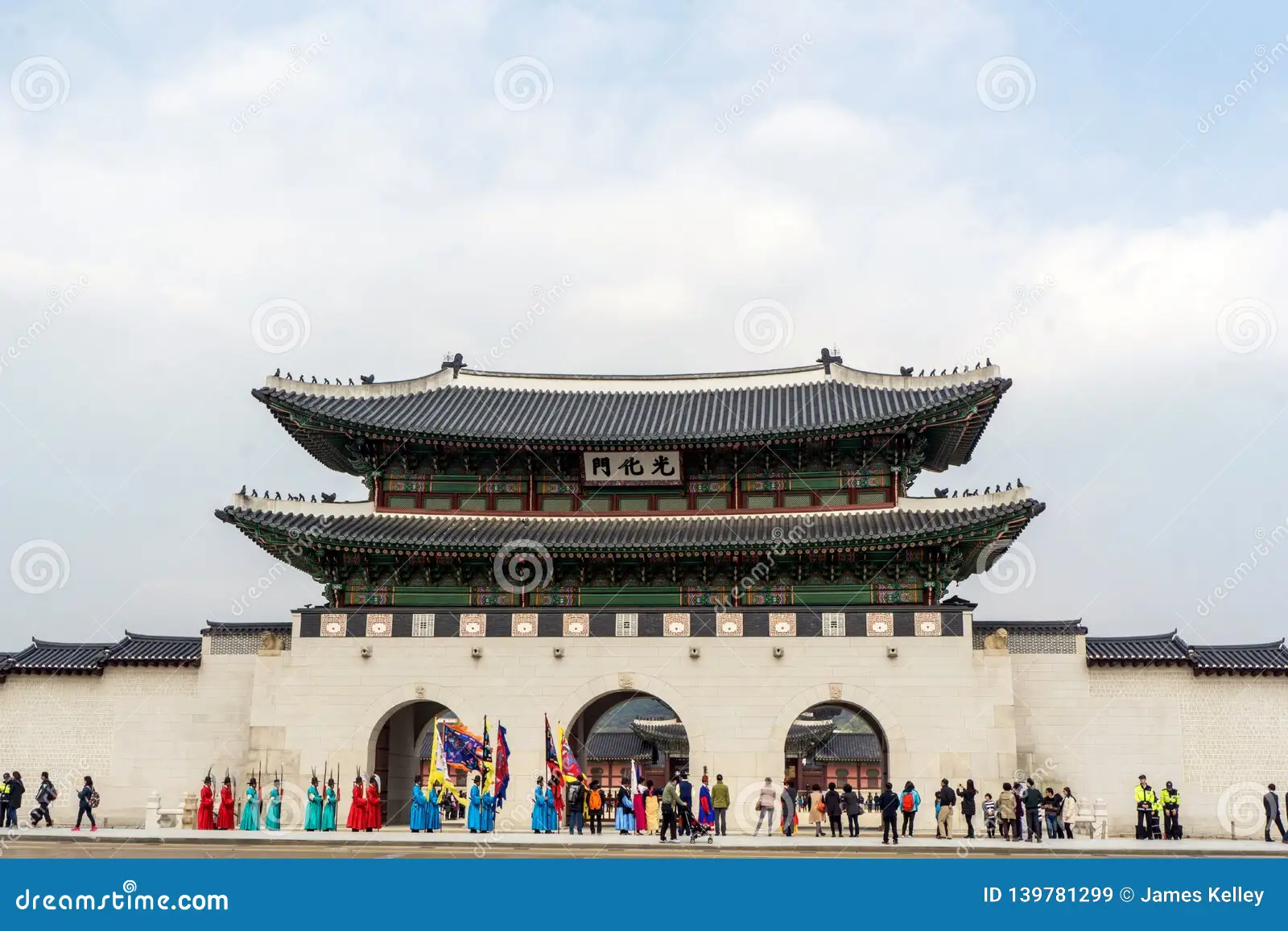
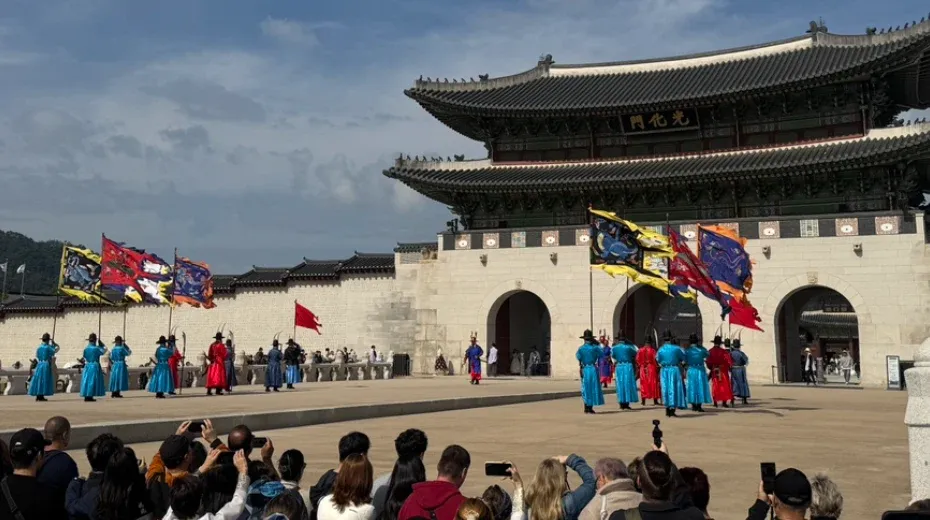
Today it anchors a city that grew around it. The Joseon dynasty governed from Geunjeongjeon, the throne hall, while Gyeonghoeru Pavilion rose over a lotus pond for state banquets. The hourly Sumunjang royal guard-changing ceremony at the main gate draws crowds who arrive for the skip the line convenience, while others compare ticket price options or weigh a private tour. A morning fast track entry ticket buys quiet courtyards before the gyeongbokgung palace tours fill the granite avenues with afternoon light.
"Heaven's blessing, the name promised — and three centuries of ruin tested it."
A step-by-step walkthrough of Gyeongbokgung Palace tickets — what you'll see, how long each stage takes, and the details that matter.
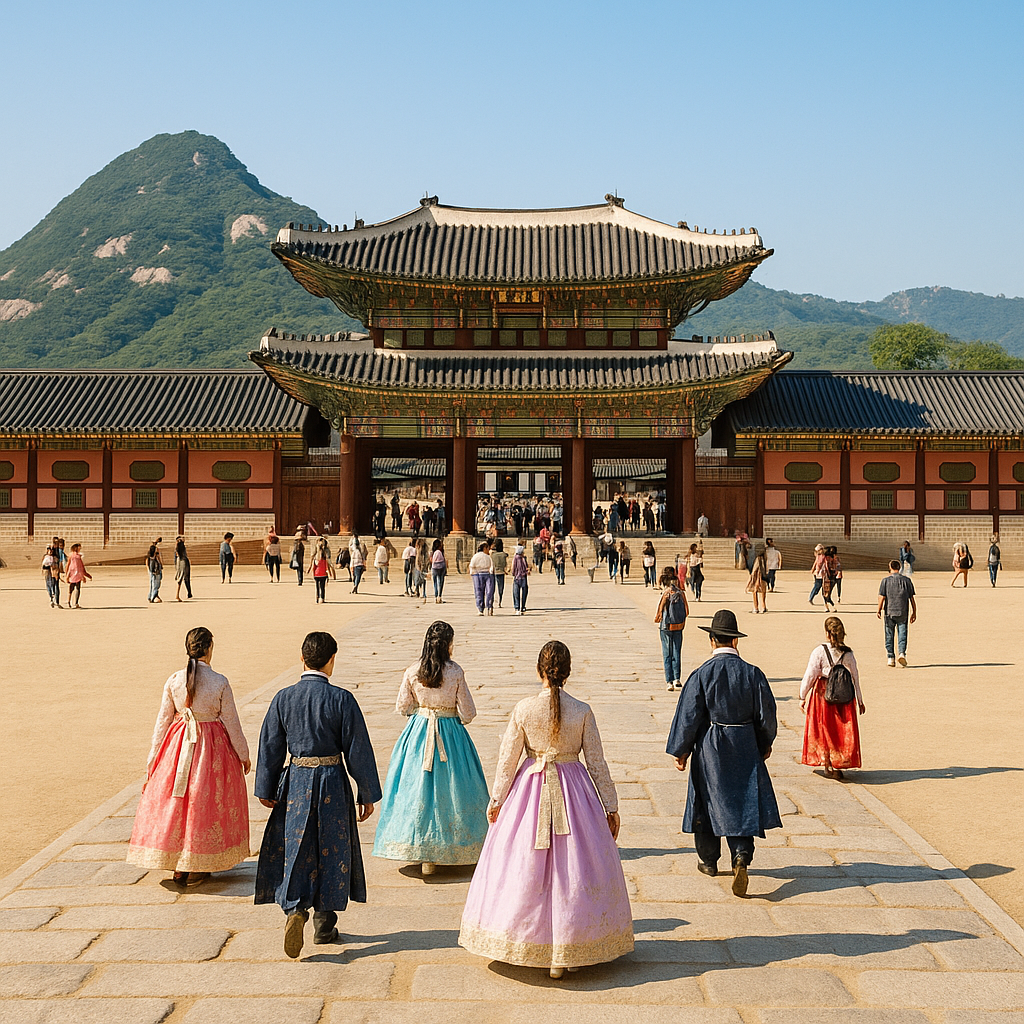
You arrive at 09:00, when fewer crowds and softer morning light fall across the stone forecourt. You pay 3,000 KRW at the gate, or step through free in rented hanbok, and the granite avenue opens toward Geunjeongjeon. You climb the twin terraces, counting the stone zodiac figures lining the balustrade.
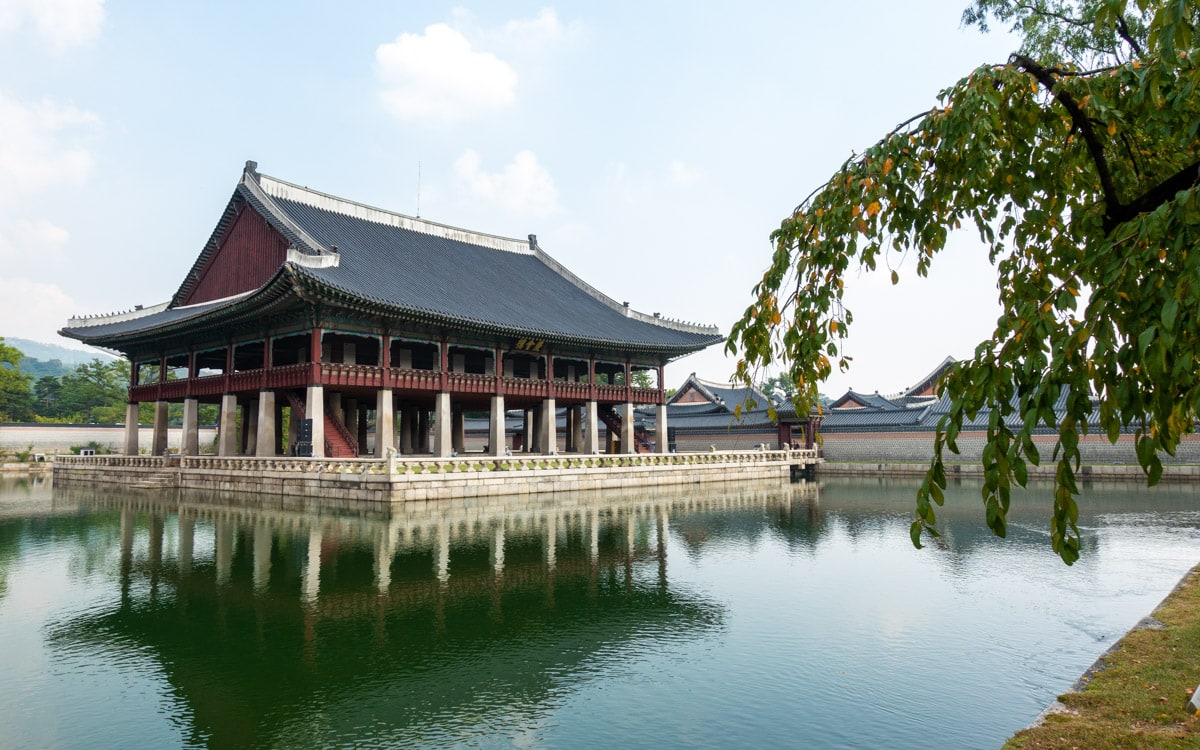
You pause at Gyeonghoeru Pavilion, its forty-eight pillars doubled in the still pond. You drift north to Hyangwonjeong, the hexagonal island pavilion, then time your loop for the guard-changing ceremony at Gwanghwamun. A gyeongbokgung palace walking tour adds the National Folk Museum before you leave. By late morning the tour groups stream in — proof your early start, the reason a fast-track ticket earns its keep, paid off.
The landmarks, rooms, and views travelers on Gyeongbokgung Palace tours remember — all visible on a single visit.
The largest ceremonial wooden hall in the palace complex, Geunjeongjeon served as the venue for royal coronations and state banquets during the Joseon Dynasty; its two-tiered white granite platform is carved with the twelve zodiac animals.
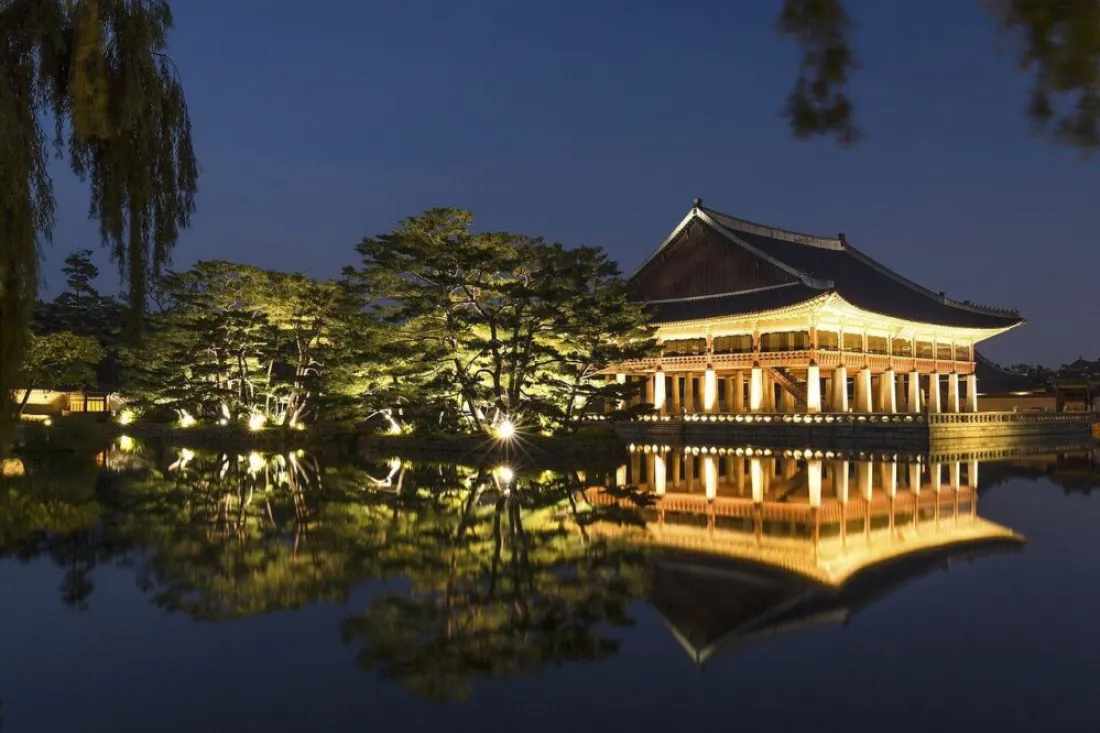
This 48-pillar stone and timber banquet pavilion was constructed in 1412 on an artificial island in a rectangular lotus pond stretching roughly 128 by 113 metres, making it the largest such pavilion in Korea.
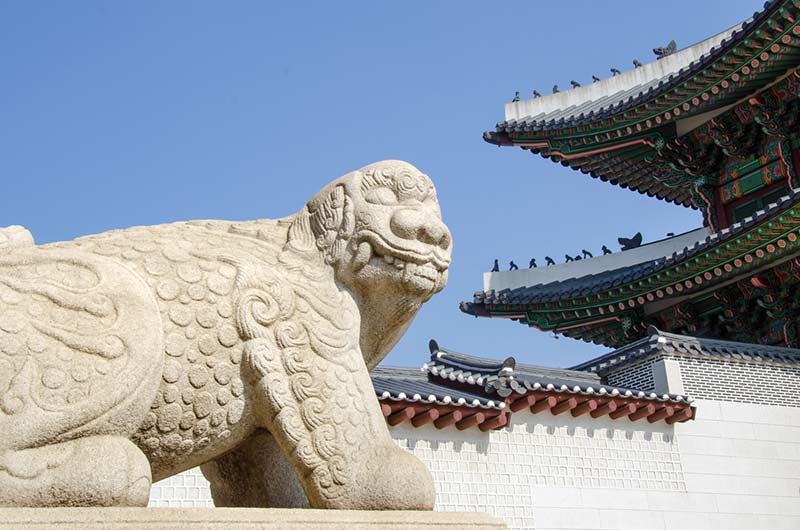
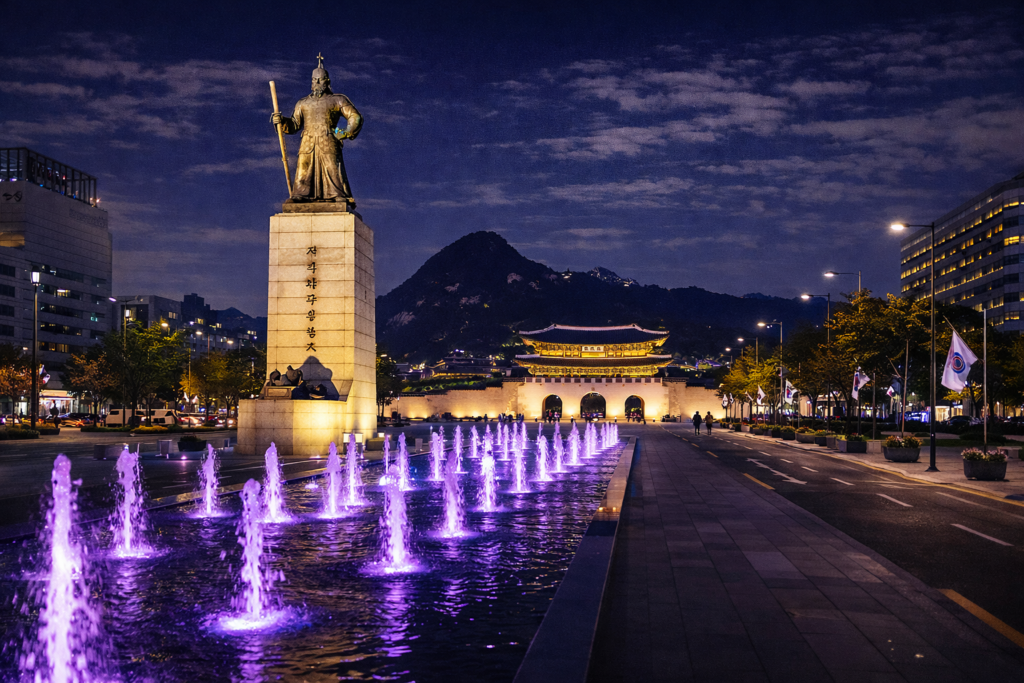
The imposing southern main gate, rebuilt on its original 1395 foundations and flanked by stone haetae guardian figures, frames a direct axial view north to the mountains that defined Joseon capital planning.
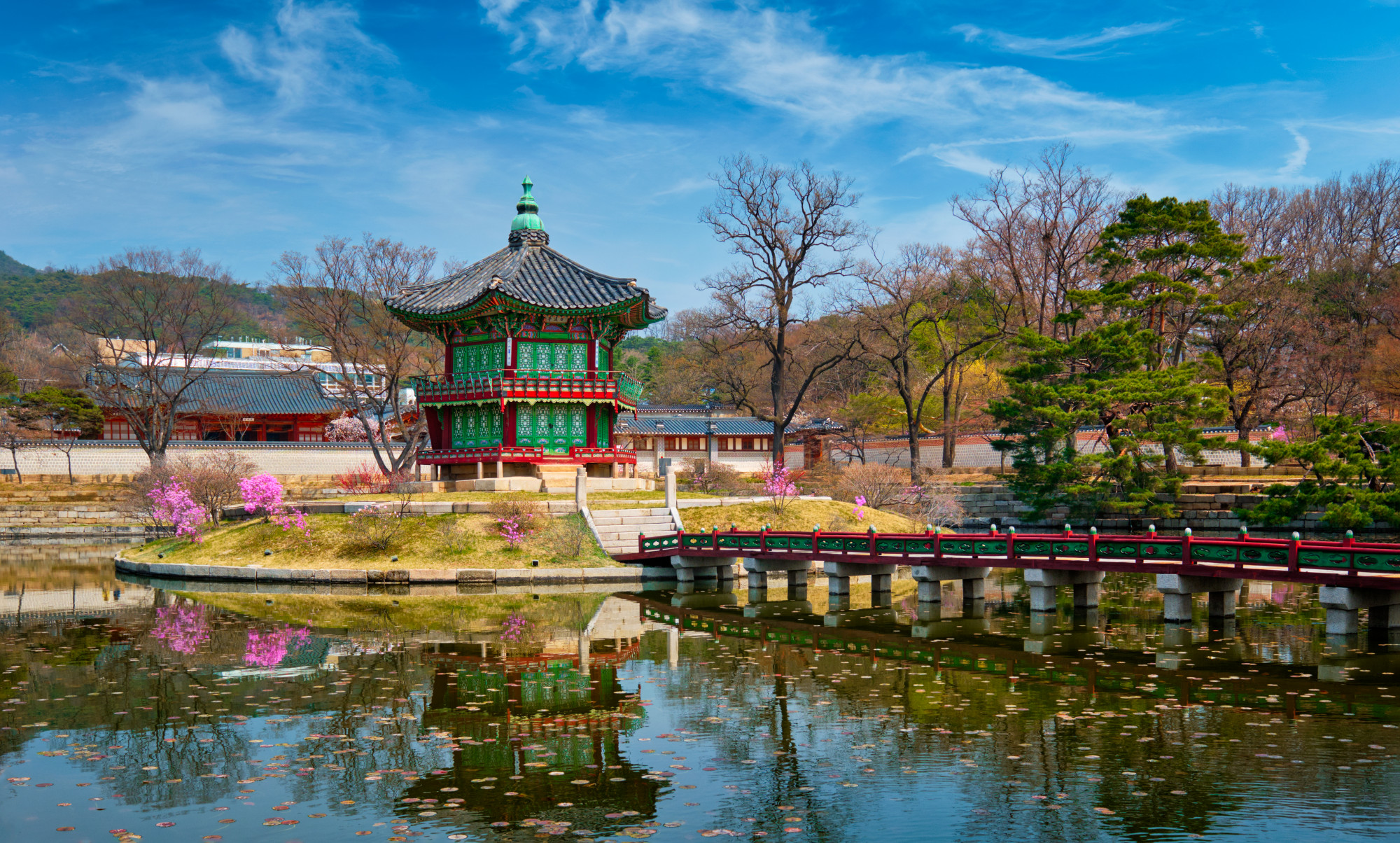
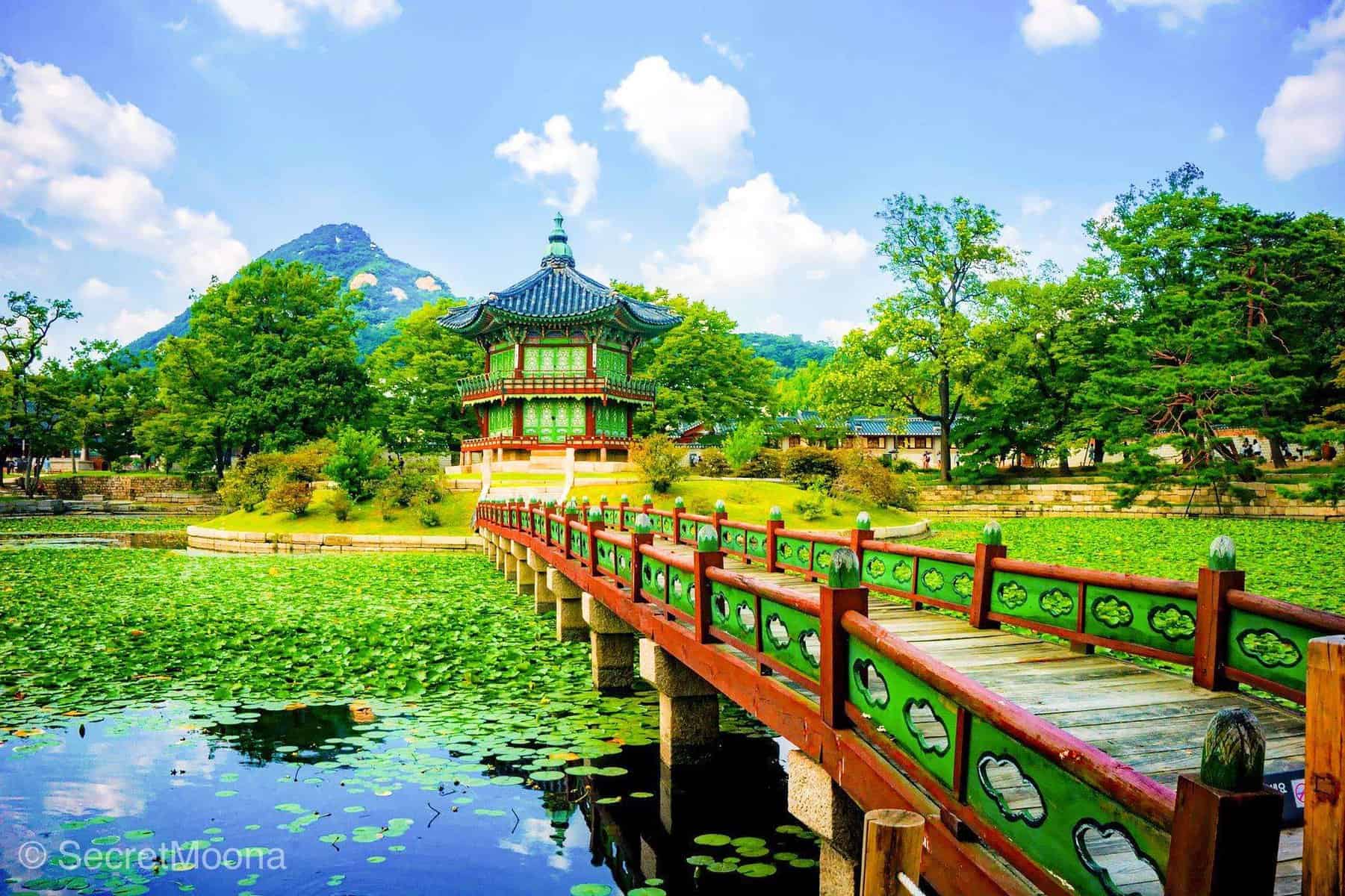
A small hexagonal pavilion set on an island in Hyangwonji Pond in the northern garden, it was one of only three palace structures to survive both Japanese colonial demolition and the Korean War intact.
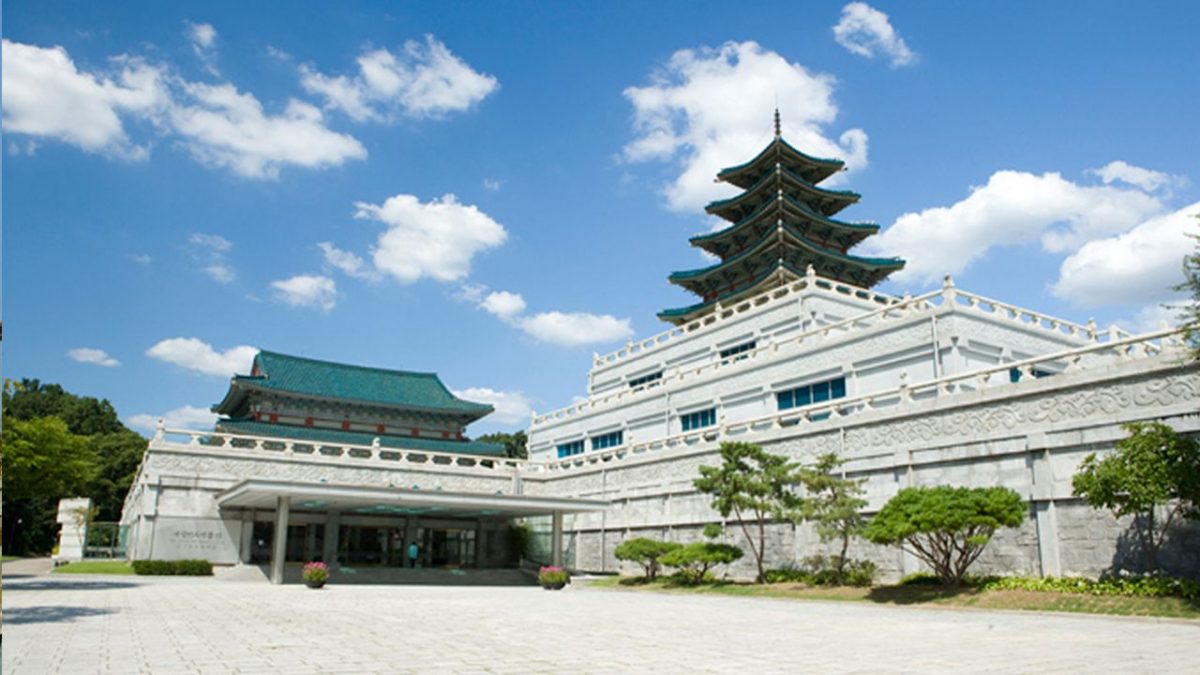
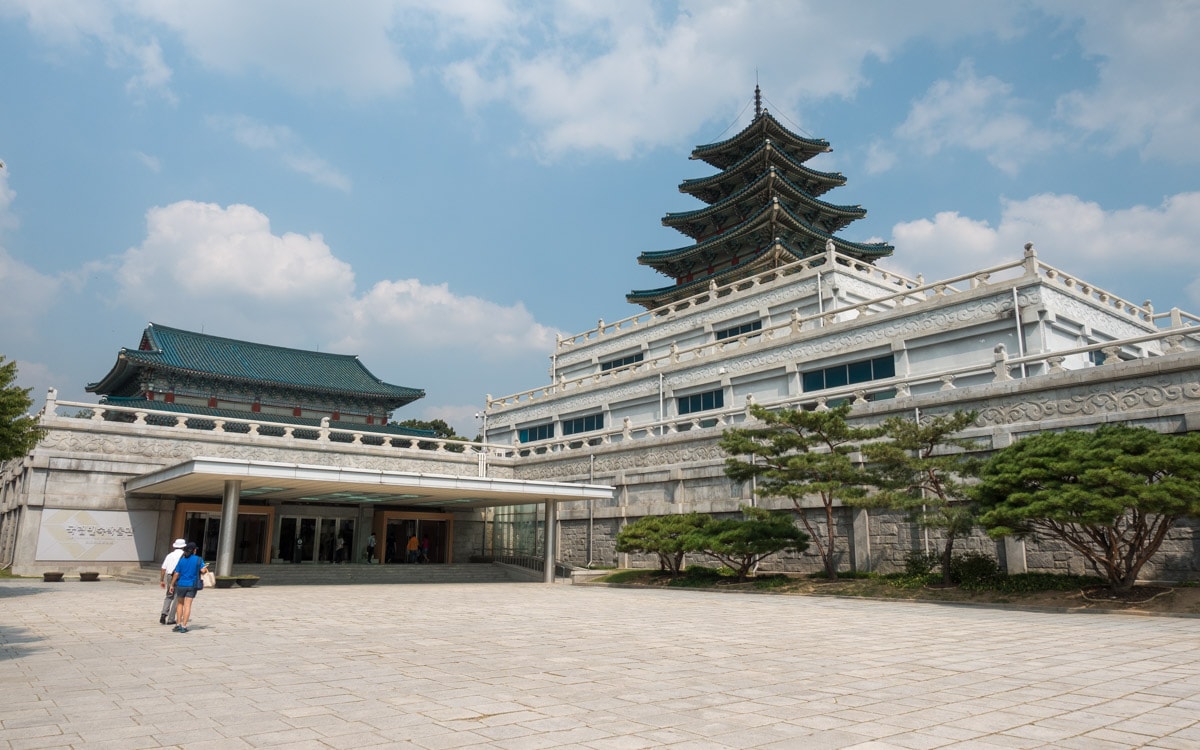
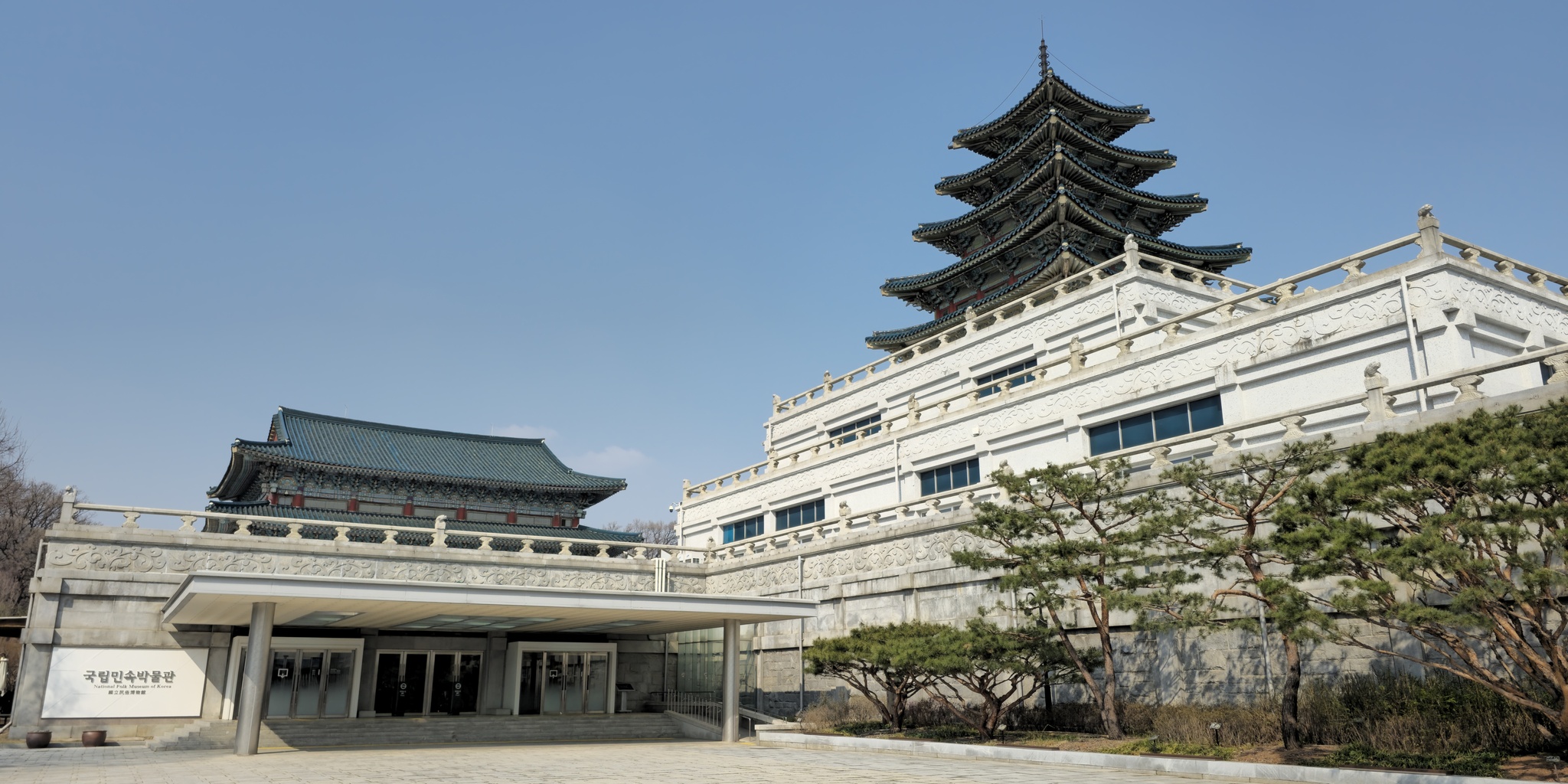
Occupying the northeast corner of the palace grounds, this museum's three permanent halls trace Korean daily life across 5,000 years and are included in the standard palace admission, making it a free add-on for every visitor.
Every Gyeongbokgung Palace tour side-by-side — duration, what's included, how you redeem.
| Experience | From | Duration | Transfers | Pickup | Lunch | Tax inc. | Free cancel. | Price | |
|---|---|---|---|---|---|---|---|---|---|
|
Skip-the-line Most popular
Seoul Highlights Full-Day Tour: Gyeongbokgung, Insadong & N Seoul Tower
|
— | 8 hr | — | — | — | — | ✓ | €23 | Book → |
|
Standard Entry
Seoul: Gyeongbokgung Palace, Hanok Village & Gwangjang Market Tour
|
— | 9 hr | — | — | — | — | ✓ | €26 | Book → |
|
Guided Experience
Seoul: Gyeongbok Palace & Bukchon Hanok Walking Tour
|
— | 3 hr | — | — | — | — | ✓ | €76 | Book → |
|
Premium Combo
Hidden Royal Seoul: 3 Palaces & Secret Garden Full-Day Tour
|
— | 7 hr | — | — | — | — | ✓ | €155 | Book → |
All prices from verified partners. Availability and exact terms confirmed at checkout.
Choose your ticket, select your date, and reserve in under two minutes. Secure checkout handled by our verified partner.
Instant confirmation by email, with a mobile voucher you can save offline. No printing, no queuing at a collection desk.
Arrive at the entrance, show your voucher on your phone, and walk in. Most tickets include priority or skip-the-line access.
Practical details for Gyeongbokgung Palace tickets straight from our verified partners — hours, access, rules, and how to get there.
161 Sajik-ro, Jongno-gu, Seoul
Large gate on the south side; landmark statue of Admiral Yi Sun-sin visible 200 m south on Sejong-daero
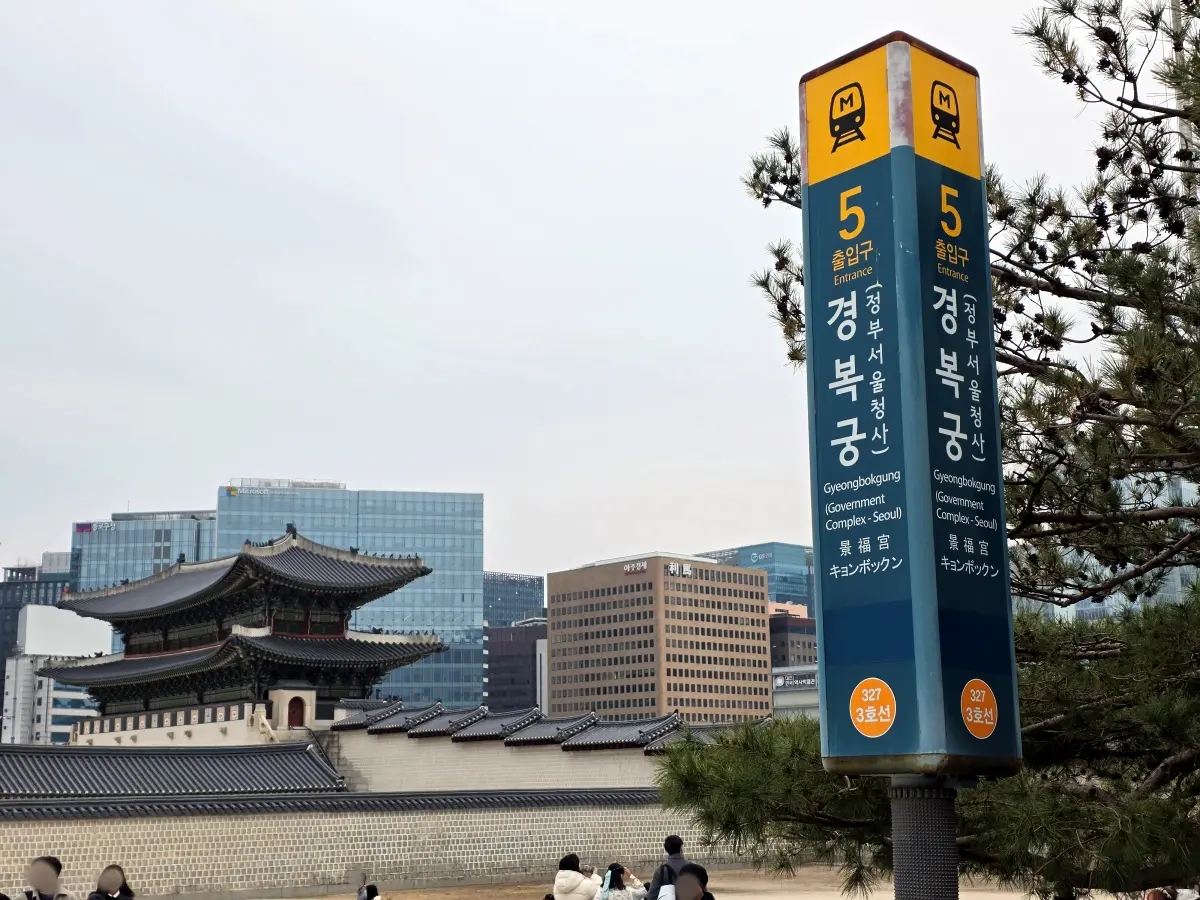
Open in Google MapsTake Seoul Metro Line 3 to Gyeongbokgung Station, Exit 5 (direct access to ticket plaza) or Exit 4 to approach via Gwanghwamun Gate; buses 109, 171, 272, 601, 606 stop at the Gyeongbokgung / National Palace Museum stop.
Taxis are abundant across central Seoul; tell the driver 경복궁 (Gyeongbokgung) or show the address 161 Sajik-ro, Jongno-gu.
From Insadong, walk northwest along Samcheong-ro for about 15 minutes to reach the east ticket gate near Anguk Station.
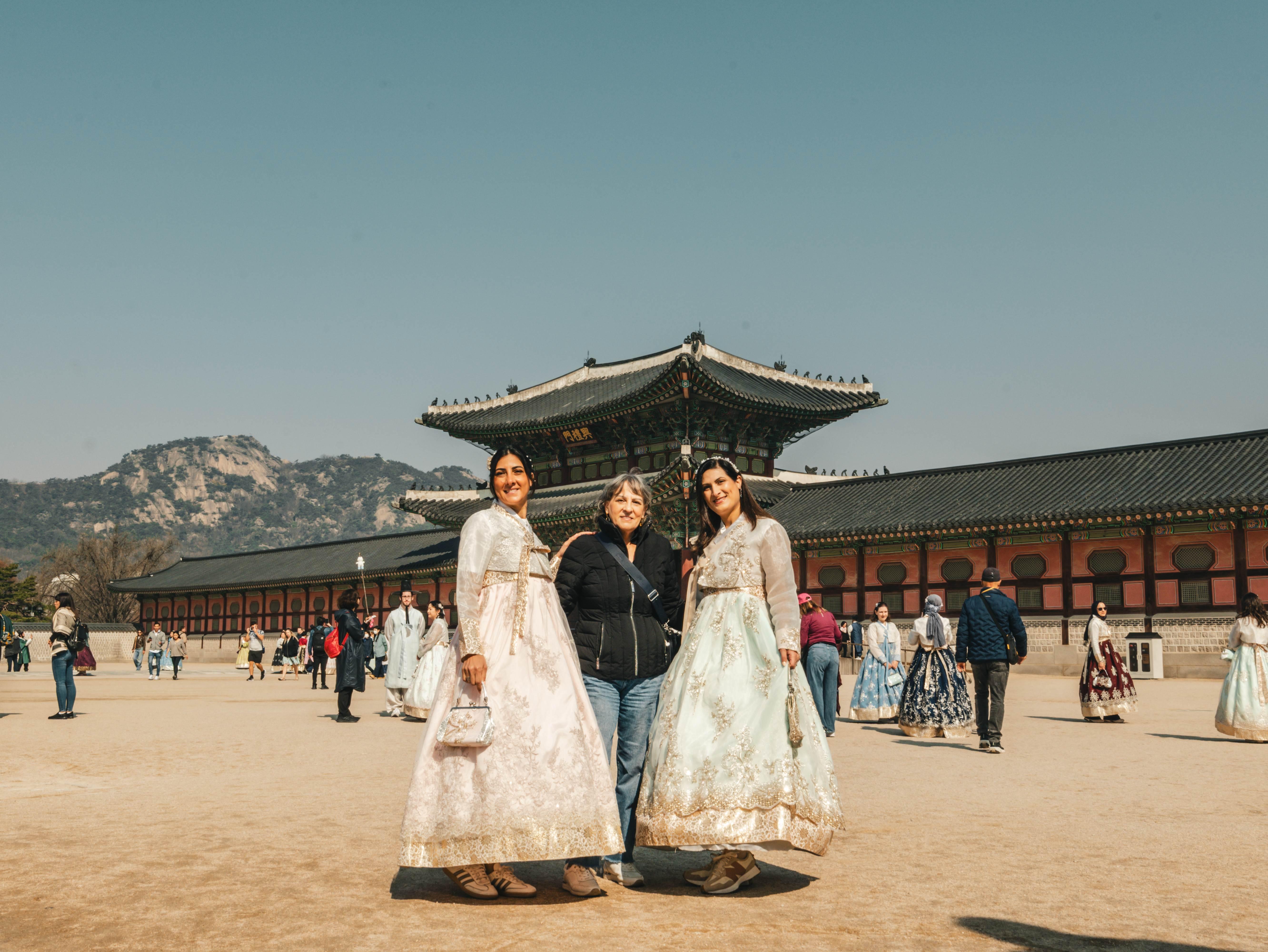
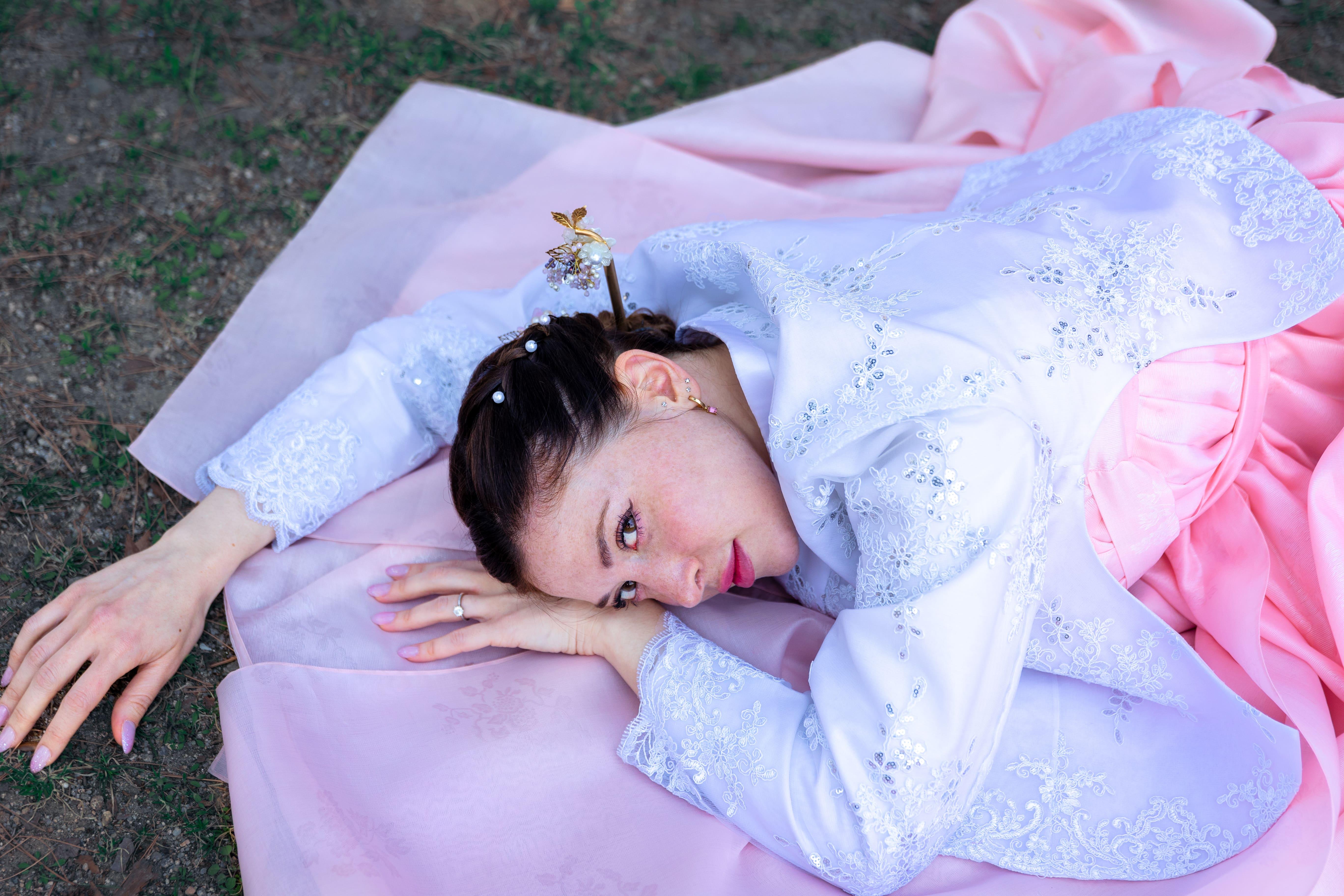
There is no formal dress code required to enter gyeongbokgung palace, but modest, comfortable clothing suited for extensive walking is recommended. Visitors who arrive wearing hanbok — traditional Korean attire — receive free admission and make striking photographs against the Joseon-era architecture. Hanbok rental shops operate in the streets immediately surrounding the palace, typically charging by the hour.
Bags are not X-rayed at the main Gwanghwamun Gate entrance, but security staff may conduct random checks. Large backpacks and wheeled luggage are permitted but can be cumbersome on the stone-paved courtyards. Coin-operated lockers are available near the entrance area for storing bulky items.
Personal photography and video for non-commercial purposes is freely permitted throughout the palace grounds. Tripods may be used in open outdoor areas but should not obstruct pathways or other visitors. Commercial shoots require prior written permission from the Korea Heritage Service.
Paved, flat paths connect the main gates, Geunjeongjeon throne hall, and Gyeonghoeru Pavilion, making the central axis wheelchair and stroller accessible. Some secondary garden areas, including the Amisan garden behind Gyotaejeon, involve steps and uneven stone surfaces. Wheelchairs are available to borrow at no charge near the main ticket booth.
Mobile phones and cameras are welcome throughout the grounds. Seoul's T-money transit card and most major payment apps work at nearby vendors. Free Wi-Fi is available in the visitor information area near Heungnyemun Gate, though coverage across the broader grounds is inconsistent.
Gyeongbokgung palace is well suited to families: children aged 18 and under enter free, and the National Folk Museum of Korea sits within the palace grounds at no additional charge. The Royal Guard Changing Ceremony at 10:00 and 14:00 is a reliable highlight that captures children's attention, featuring costumed guards, traditional percussion, and a gong procession between Gwanghwamun Gate and Heungnyemun Gate.
No food stalls operate inside the main palace precinct, so plan to eat before or after your visit. Numerous cafes and restaurants line the streets south of Gwanghwamun Gate and around Insadong, a short walk east. Bottled water is sold near the ticket booth; carrying your own water bottle is advised, especially during Seoul's hot and humid summer months.
Only certified guide dogs and assistance animals are permitted inside the palace. Visitors should arrange pet care before arriving, as no on-site kennelling facility is available.
Free expert-guided tours in English, Chinese, Japanese, Spanish, and Vietnamese depart from the Information Center just inside Heungnyemun Gate; each session lasts approximately 90 minutes and requires no advance reservation — arrive 30 minutes early to register. A combination ticket (10,000 KRW adult) covers four royal palaces plus Jongmyo Shrine and is valid for three months, offering strong value if you plan to visit Changdeokgung's Secret Garden or Deoksugung.
161 Sajik-ro, Jongno-gu, Seoul
Large gate on the south side; landmark statue of Admiral Yi Sun-sin visible 200 m south on Sejong-daero
Get directions
Line 3, Gyeongbokgung Station
Exit connects directly into the ticket plaza — 3-minute walk to the booth
Get directionsBest time to go, insider tips, nearby landmarks, and the cancellation fine print — flip through to skim what matters to you.
How crowds, weather, and events shift across the year.
Cherry blossom season draws large crowds but the flowering trees frame the palace walls dramatically; weekday mornings are least congested.
Hot and humid with monsoon rain from late June; crowds are heavy but the 2026 spring night-viewing program runs until June 14.
Foliage turns red and gold across the grounds; autumn night-viewing is anticipated — confirm dates closer to September.
Snow occasionally dusts the tiled rooftops for atmospheric photography; hours shorten to 09:00–17:00 and crowds thin significantly.
Small details that turn a good visit into a great one.
The palace is closed every Tuesday — a fact many visitors overlook until they arrive at the gates.
Rental shops within a 5-minute walk charge by the hour; wearing traditional hanbok waives the 3,000 KRW admission fee and unlocks the most photogenic backdrops in the complex.
Tour groups from major hotels typically arrive between 10:30 and 11:00; the 09:00–10:30 window offers noticeably thinner crowds and better morning light on the north-facing Geunjeongjeon facade.
The 2026 spring night-viewing season (until June 14) allocates only 3,000 tickets per day online; foreign visitors can also buy same-day at the Gwanghwamun booth from 18:00 with a passport.
Subway Line 3 Exit 5 drops you inside the ticket plaza, bypassing Gwanghwamun Gate — take Exit 4 instead and walk south to enter through the ceremonial main gate for the full approach.
The museum sits on the palace's east grounds and charges no separate fee, making it easy to extend a two-hour palace visit to a half-day cultural experience.
Non-bookable sights within a short walk — free to visit, easy to pair.
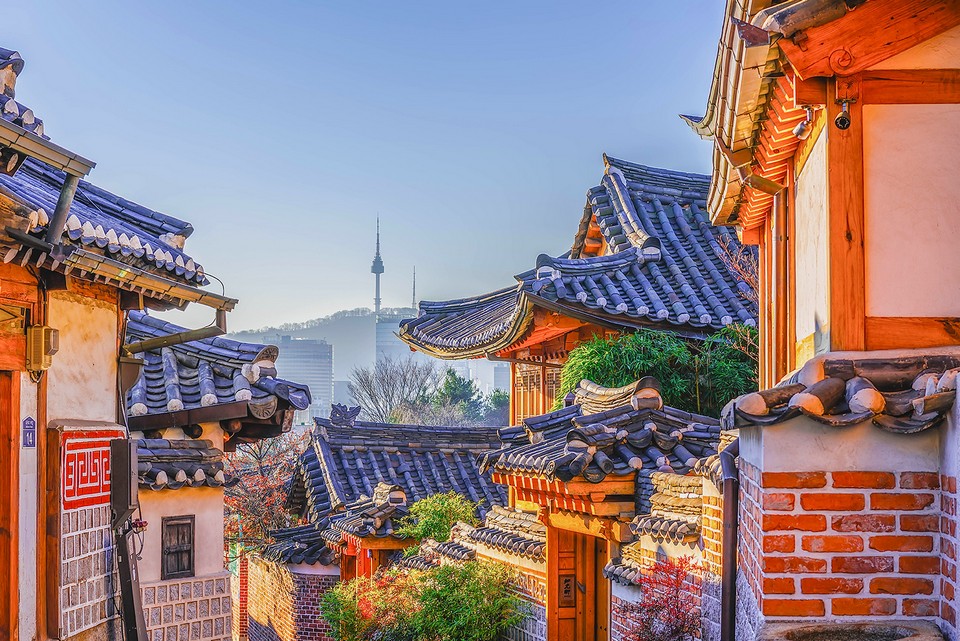
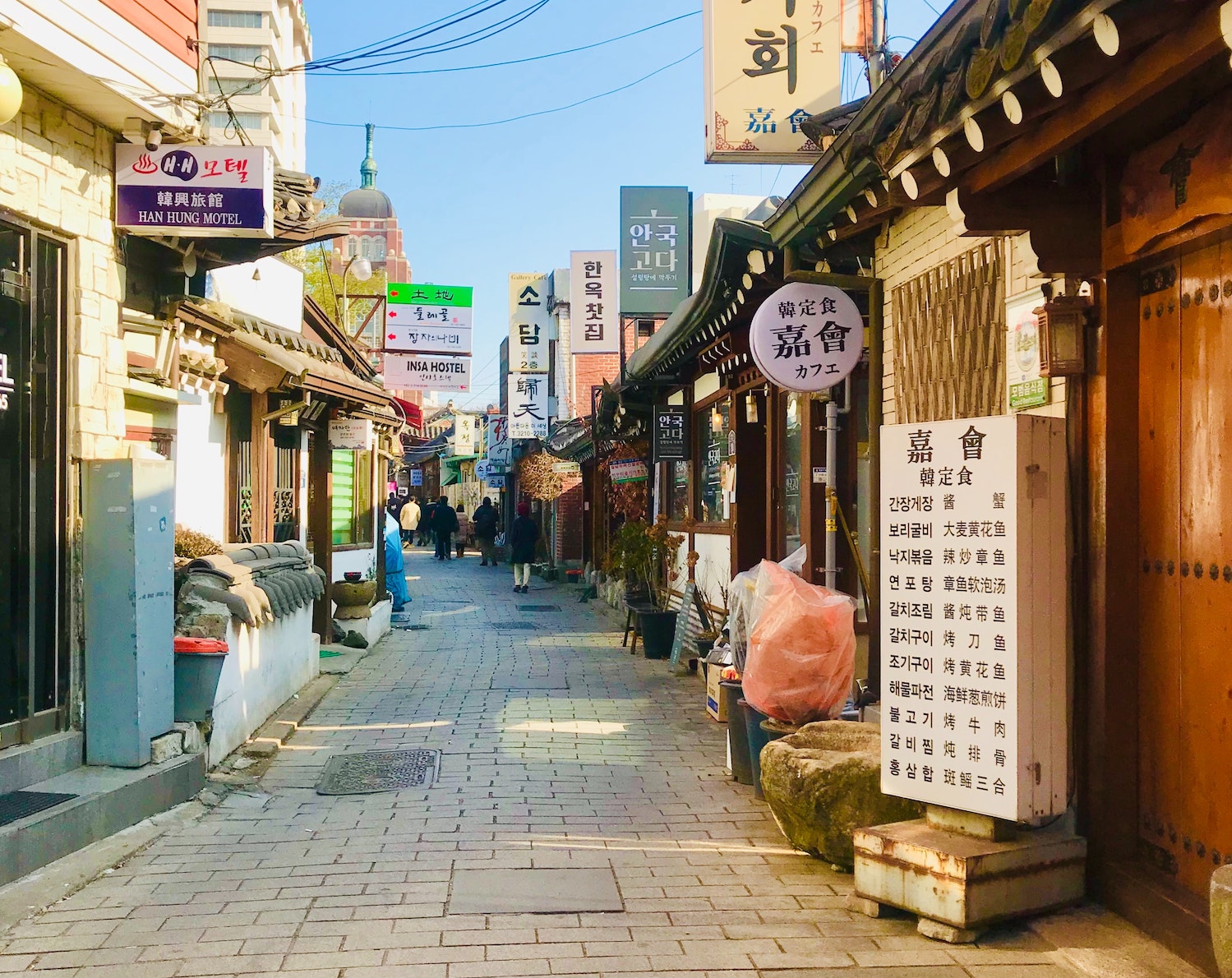
A dense grid of preserved Joseon-era tile-roofed houses now converted to guesthouses, cafes, and craft studios.
Free museum within the palace grounds with three permanent halls covering Korean life from prehistoric times to the 20th century.
A pedestrian-friendly antique and craft market street lined with traditional teahouses, galleries, and street food stalls.
Broad public plaza fronting the palace's main gate, anchored by statues of King Sejong the Great and Admiral Yi Sun-sin.
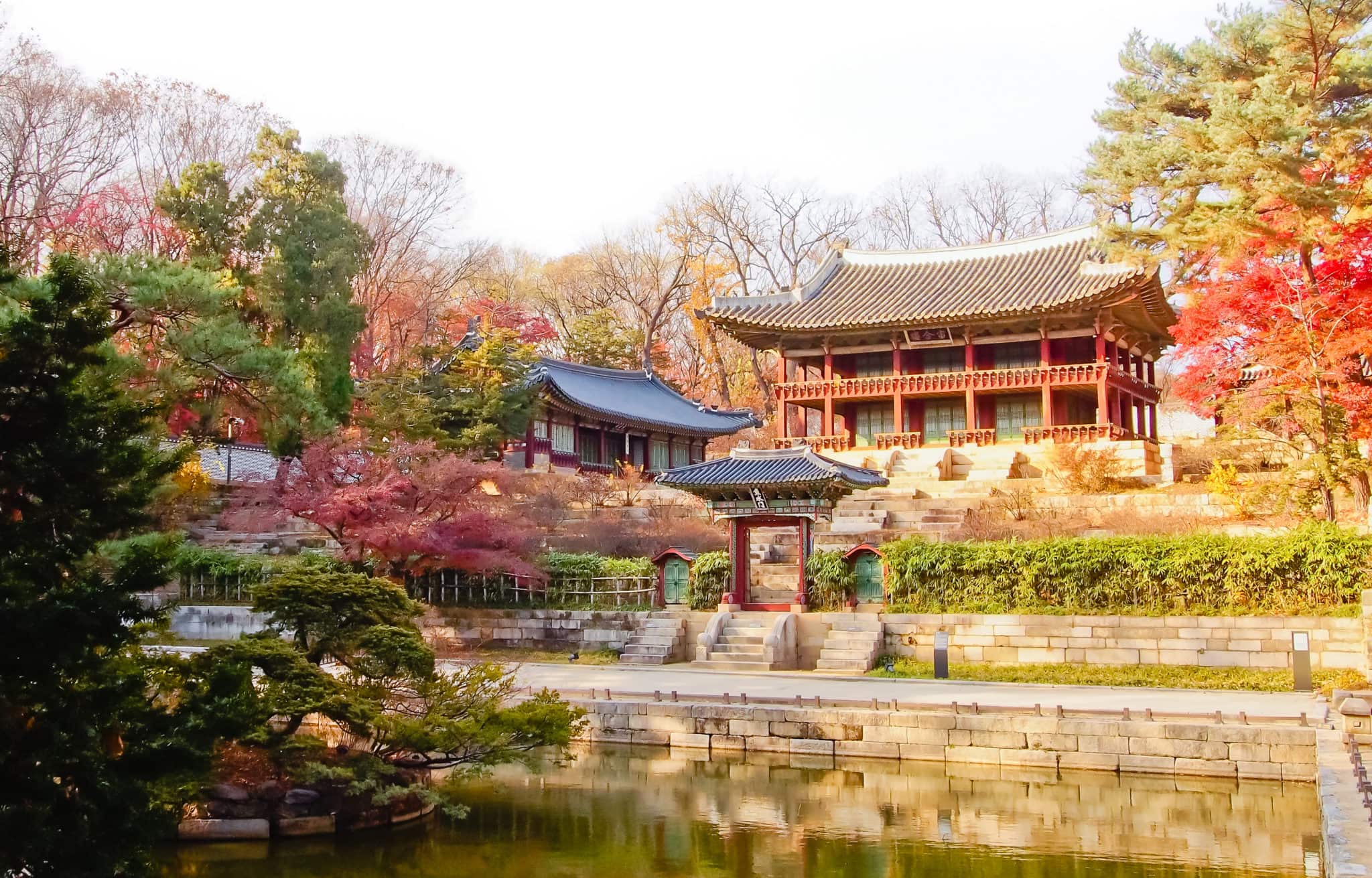
A UNESCO World Heritage Site whose Secret Garden — 78 forested acres — requires a separate timed guided tour.
Flexible, no hidden fees.
Tickets for standard daytime entry at gyeongbokgung palace are purchased on-site and are non-refundable once used. The entrance fee is 3,000 KRW for adults; refunds or exchanges for advance third-party tour bookings are subject to each operator's terms, typically requiring cancellation 24 hours before the visit.
Hand-picked options within walking distance — pick a district for vibe, or a specific hotel for convenience.
Wide range of hanok guesthouses and modern hotels cluster around Bukchon and Anguk Station, putting the palace within a short stroll.
Flagship luxury property near City Hall with full-service amenities and easy Metro access to the palace.
Compact guesthouse in the Bukchon area popular with solo travelers seeking proximity to the royal palace precinct.
Mid-range option on the eastern edge of Jongno-gu, convenient for both the palace and Insadong.
Gyeongbokgung palace is open 09:00–18:00 from Wednesday through Monday. During the winter months (November to February) closing time shifts to 17:00. The palace is closed every Tuesday.
Yes — the Seoul royal palace complex is closed every Tuesday without exception. If your travel dates fall on a Tuesday, plan to visit one of the other Joseon palaces such as Deoksugung, which does not share the same weekly closure. The standard adult entrance fee for gyeongbokgung palace tickets is 3,000 KRW. Visitors aged 18 and under enter free of charge. Anyone wearing hanbok — traditional Korean clothing — also receives complimentary entry regardless of age, making hanbok rental near Gwanghwamun an economical and photogenic choice.
The 09:00–10:30 window is the recommended arrival window for gyeongbokgung palace: tour buses typically arrive after 10:30, so early entry means shorter ticket queues, uncrowded courtyards, and softer morning light on the Geunjeongjeon throne hall facade. Weekdays outside public holidays are consistently less busy than weekends.
Personal photography and video for non-commercial use are freely permitted throughout the grounds of the Joseon-era palace. Tripods are allowed outdoors. Commercial shoots require written permission from the Korea Heritage Service.
The main ceremonial axis from Gwanghwamun Gate to Geunjeongjeon throne hall and west to Gyeonghoeru Pavilion follows flat, paved paths suitable for wheelchairs and strollers. Some secondary garden areas involve stone steps. Wheelchairs can be borrowed at no charge from the main ticket booth.
There is no enforced dress code at the palace. Comfortable walking shoes are the most important consideration given the extensive stone-paved grounds. Wearing hanbok earns free admission; numerous rental shops within a five-minute walk of Gwanghwamun offer hourly rentals.
Free guided tours in English, Chinese, Japanese, Spanish, and Vietnamese depart from the Information Center inside Heungnyemun Gate. Each session lasts approximately 90 minutes and requires no advance booking — arrive 30 minutes early to register. Paid gyeongbokgung palace tours with private guides are also widely available through third-party operators.
Large backpacks and standard bags are permitted but may be checked at the entrance. Drones, selfie sticks in congested areas, alcohol, bicycles, and open flames are prohibited inside the palace precinct.
Gyeongbokgung palace is one of Seoul's most family-friendly landmarks. Children aged 18 and under enter free. The Royal Guard Changing Ceremony at 10:00 and 14:00 is a crowd-pleasing spectacle for all ages. The National Folk Museum of Korea on the east grounds is also free and includes child-oriented exhibition halls.
Bukchon Hanok Village (15 min walk), Insadong Street (12 min walk), Gwanghwamun Square (5 min walk), and Changdeokgung Palace including its UNESCO-listed Secret Garden (20 min walk) are all straightforward additions to a Seoul landmarks itinerary anchored at the palace.
Standard on-site entry tickets for the Korean royal palace are non-refundable. For advance bookings made through a gyeongbokgung palace tour operator, cancellation policies vary by provider — most require notice at least 24 hours before the tour date for a full refund. The 3,000 KRW entrance fee itself is not refundable once the ticket is used.
Please contact us for more information.